Cultural Centre
Type - community and cultural, heritage listed
Location - Budapest
Role - project architect
Status - construction plan, 2023
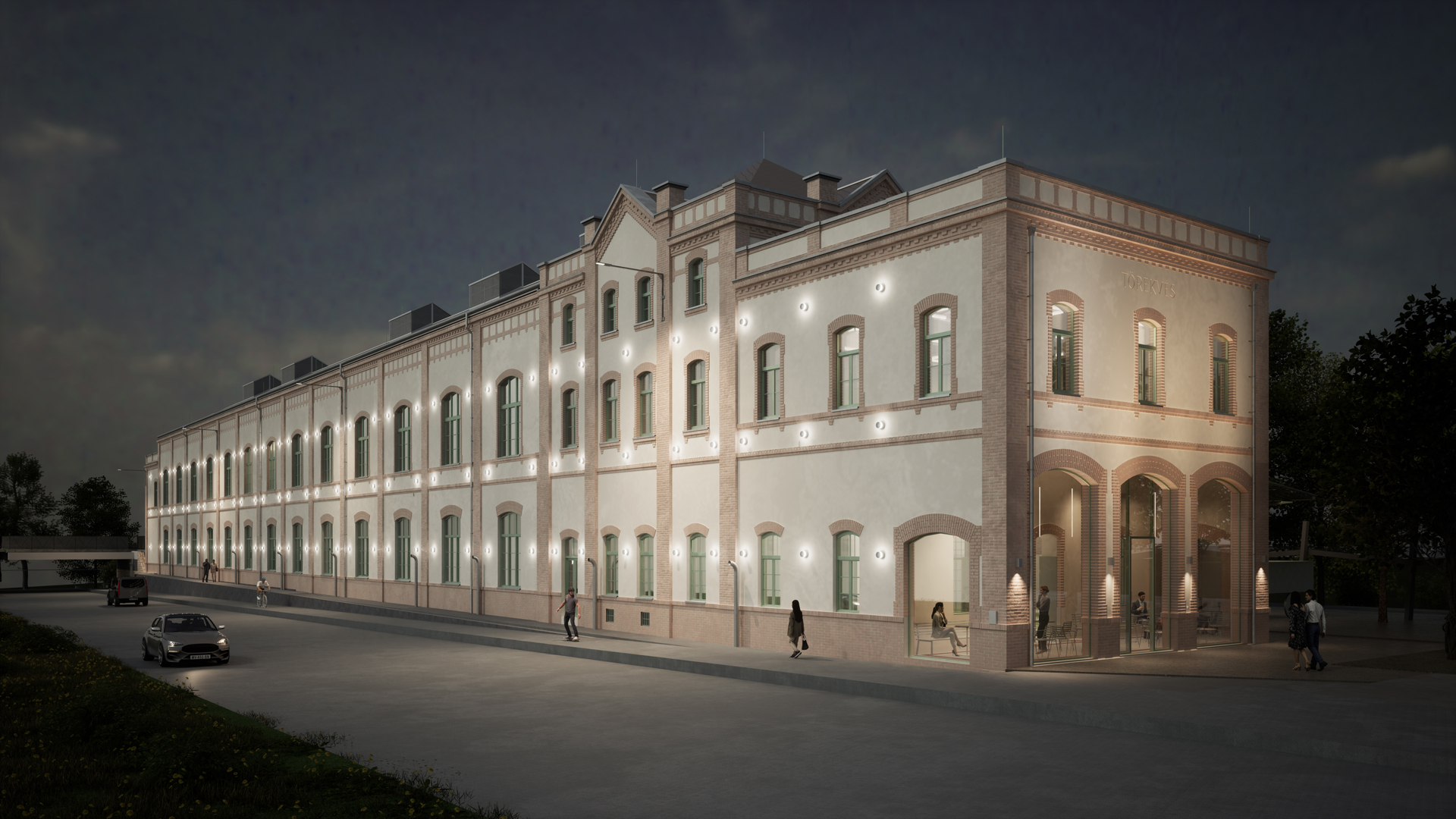
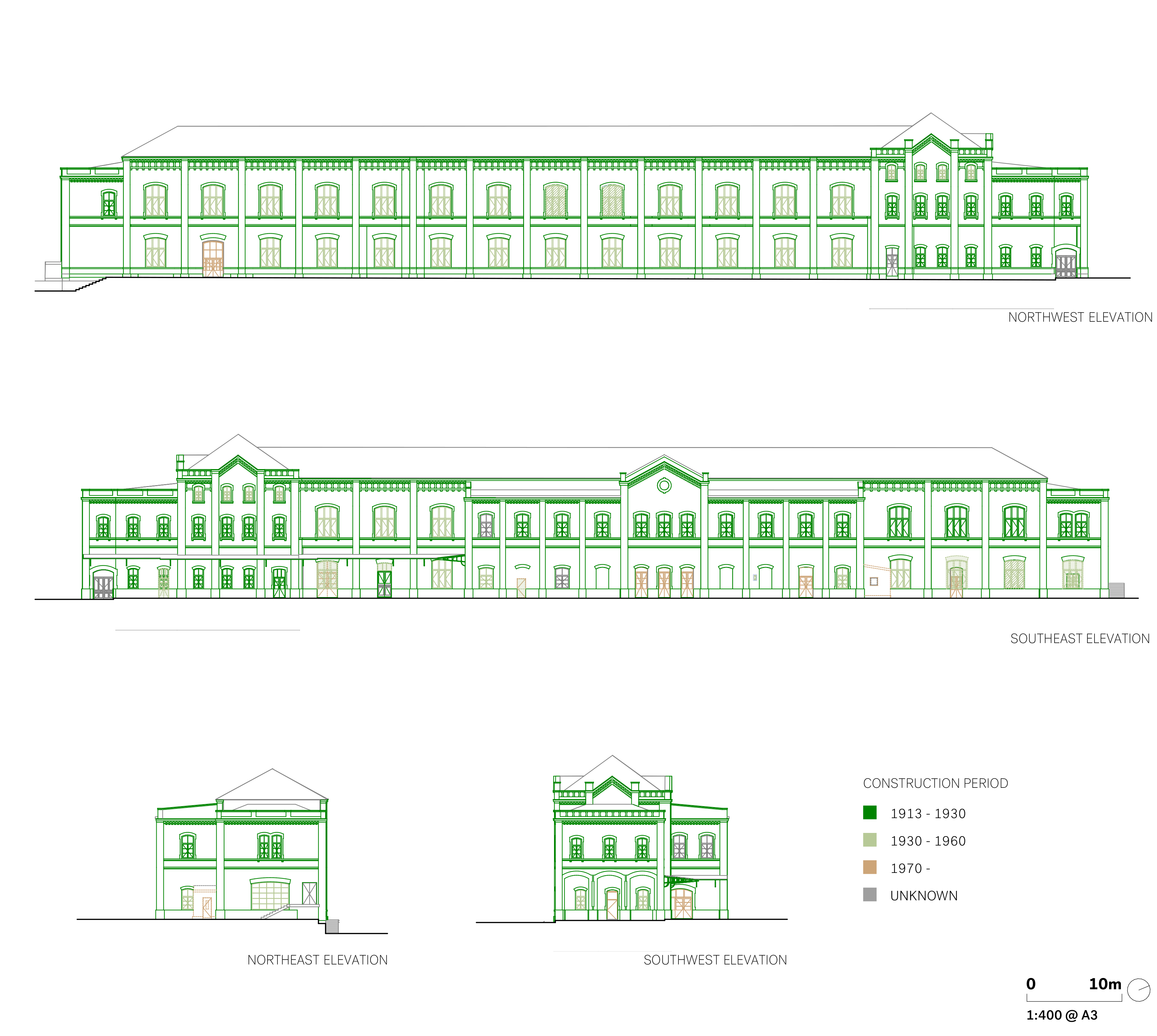
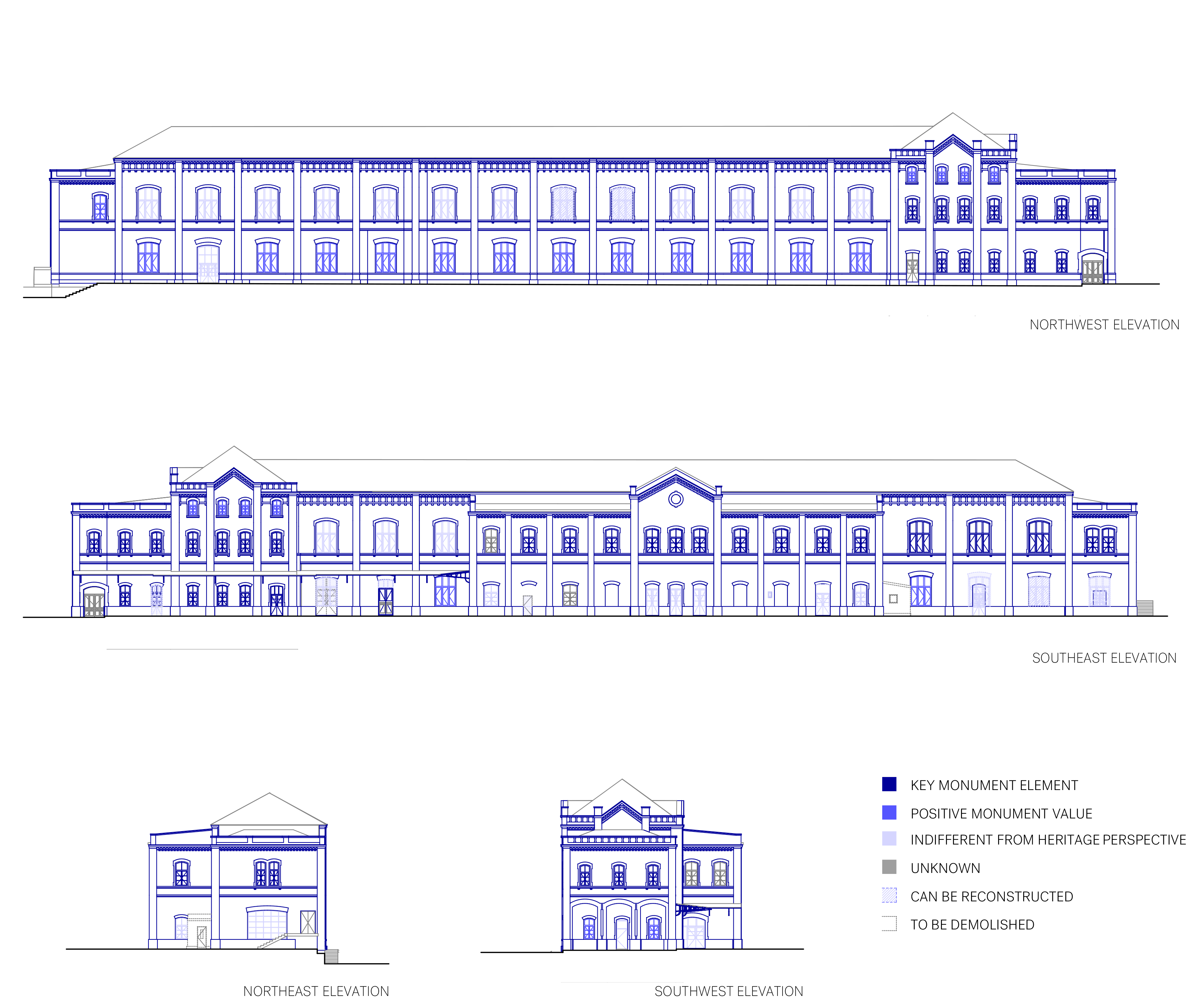
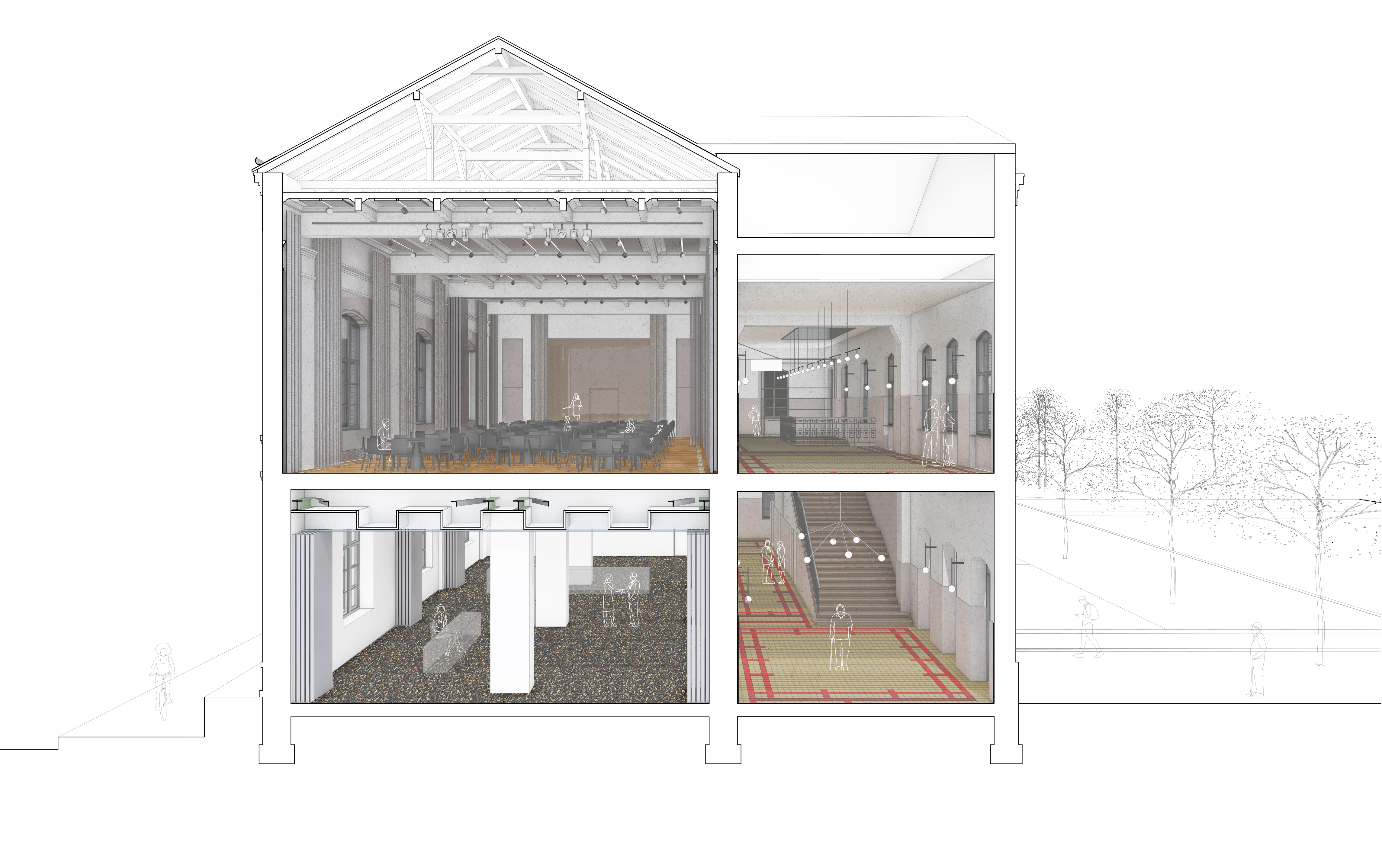
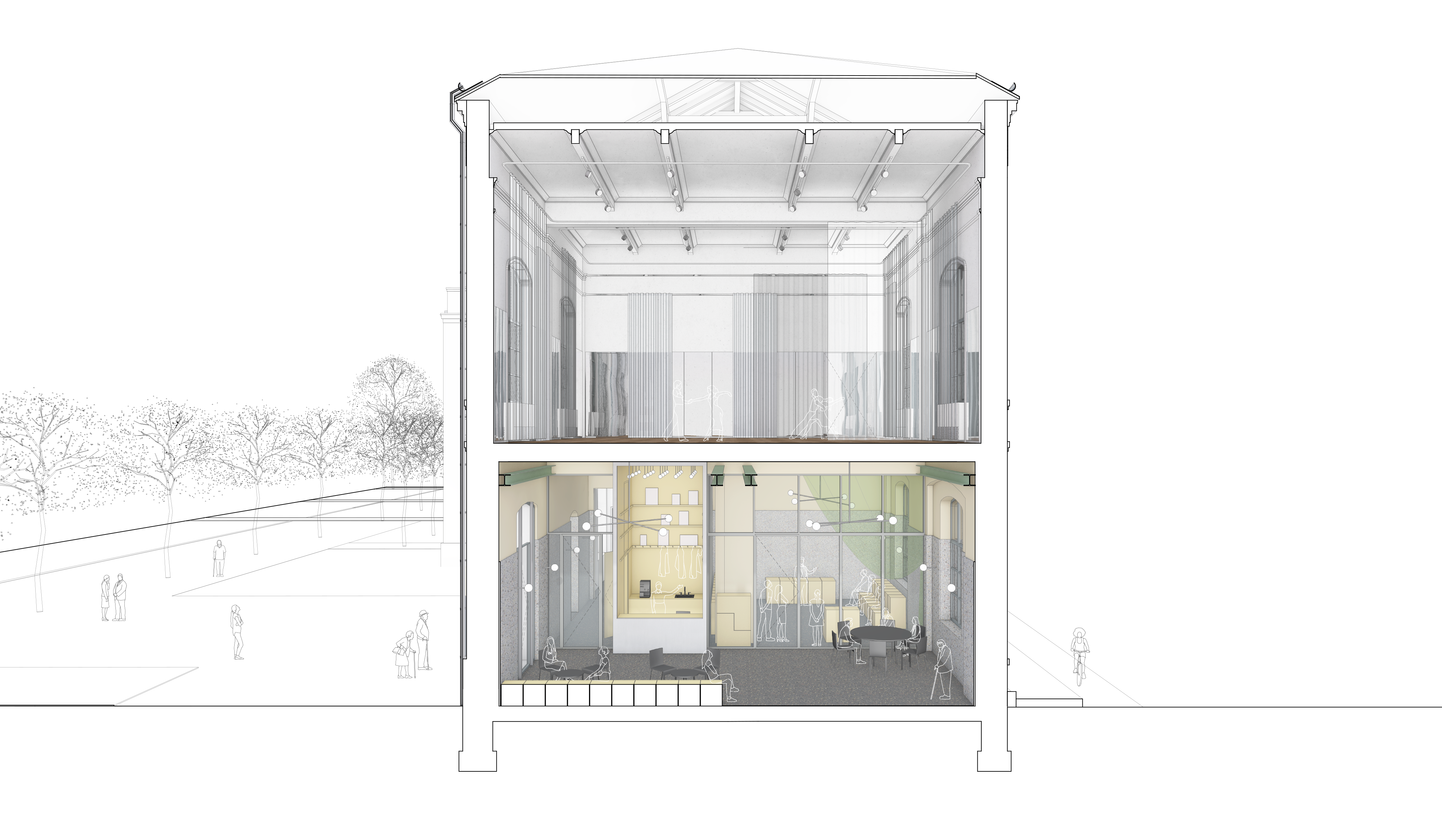
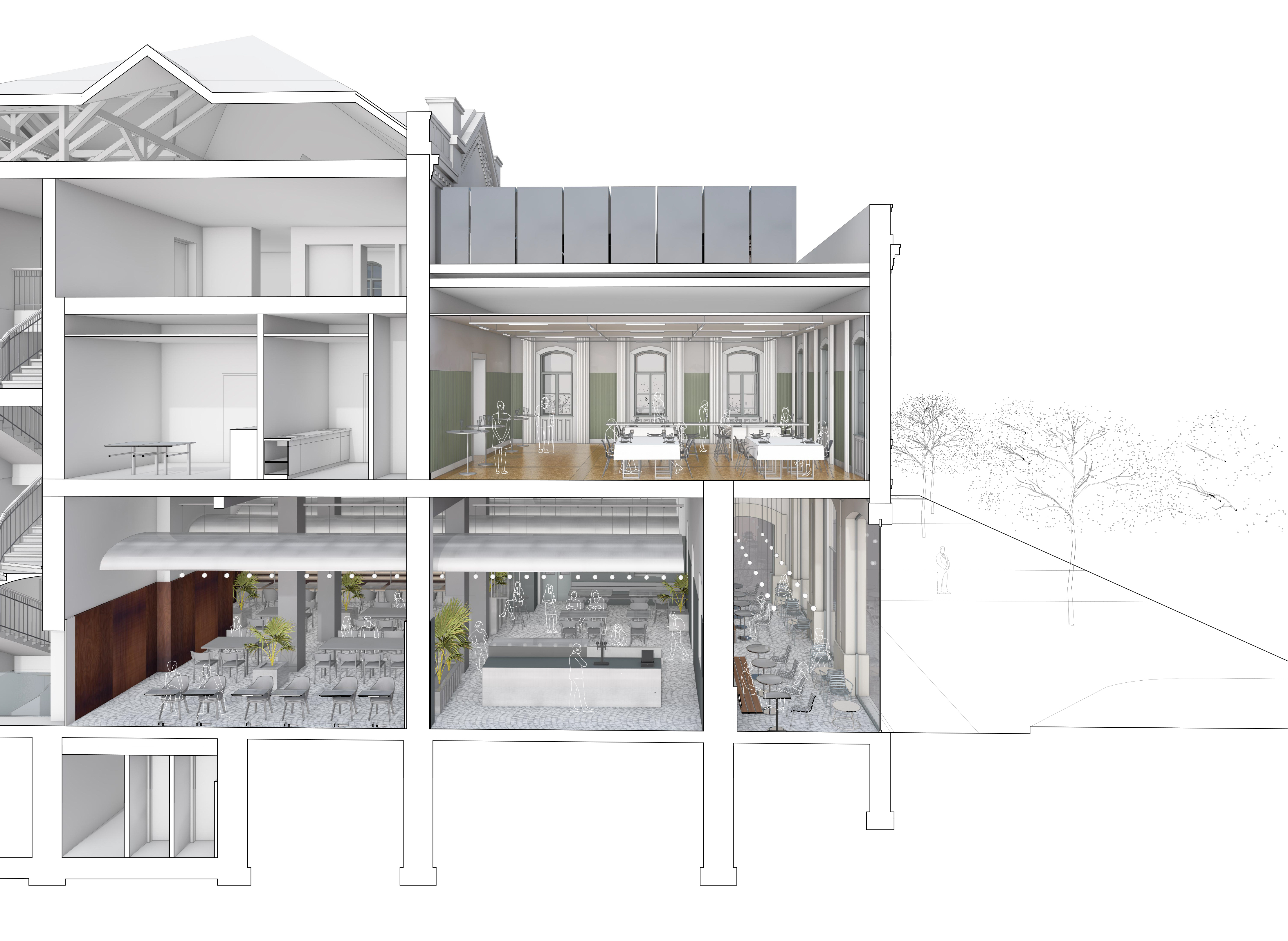
The brownfield project located at a railway maintenance site in Budapest involved the revitalization of several listed industrial buildings. Over the course of 2.5 years, I worked as a project architect for the local partner studio, actively contributing to shape the vision for the transformation of the former repair plant into a cultural complex in Budapest. The design intent was to preserve industrial heritage by adaptive reuse, which required a careful approach to integrate the new design elements with historical buildings. My responsibilities ranged from urban research, overseeing architectural design development to interior design, coordination work of engineers and heritage authority negotiations, while collaborating closely with lead designers and presenting studies for the client.
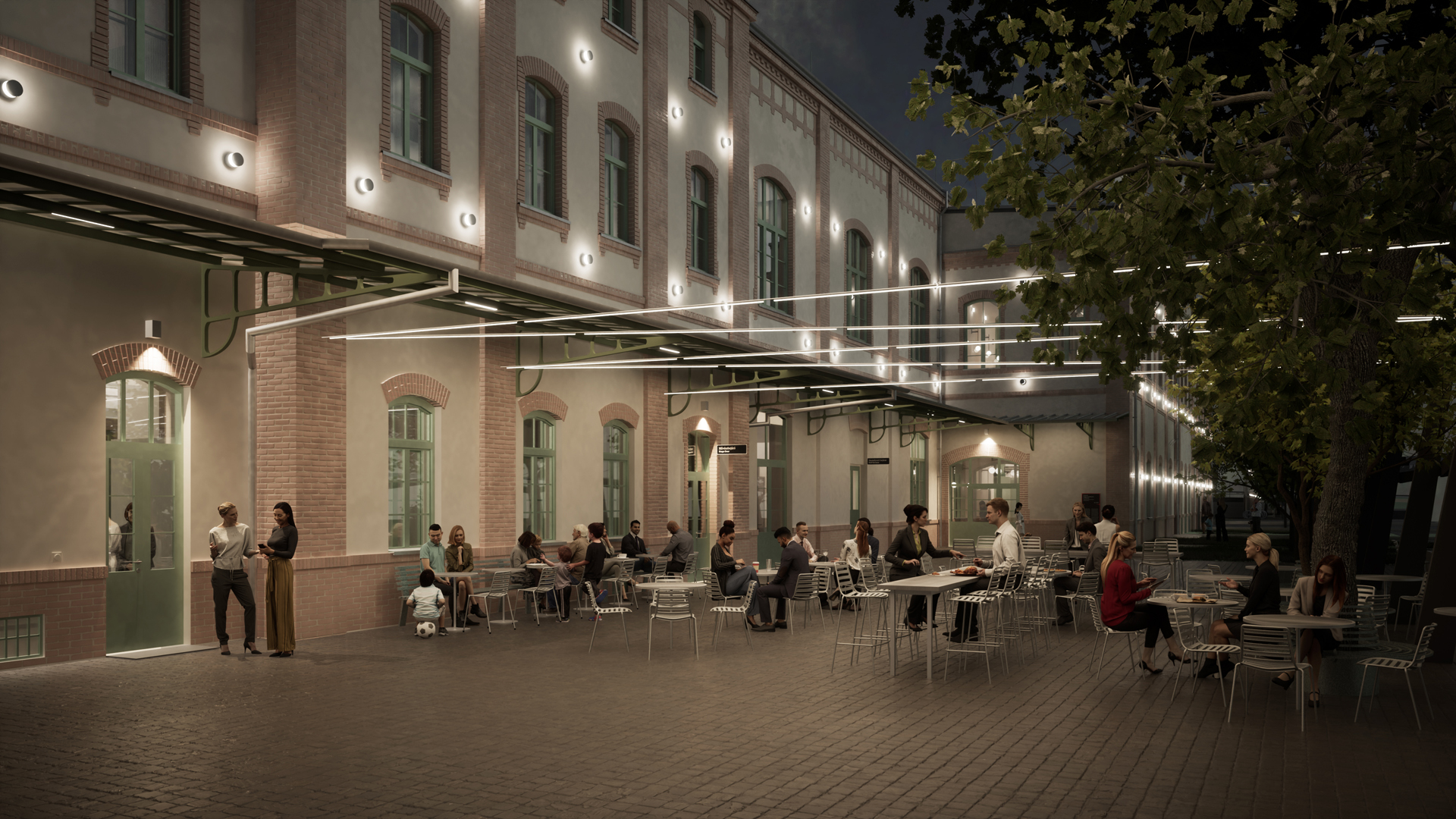
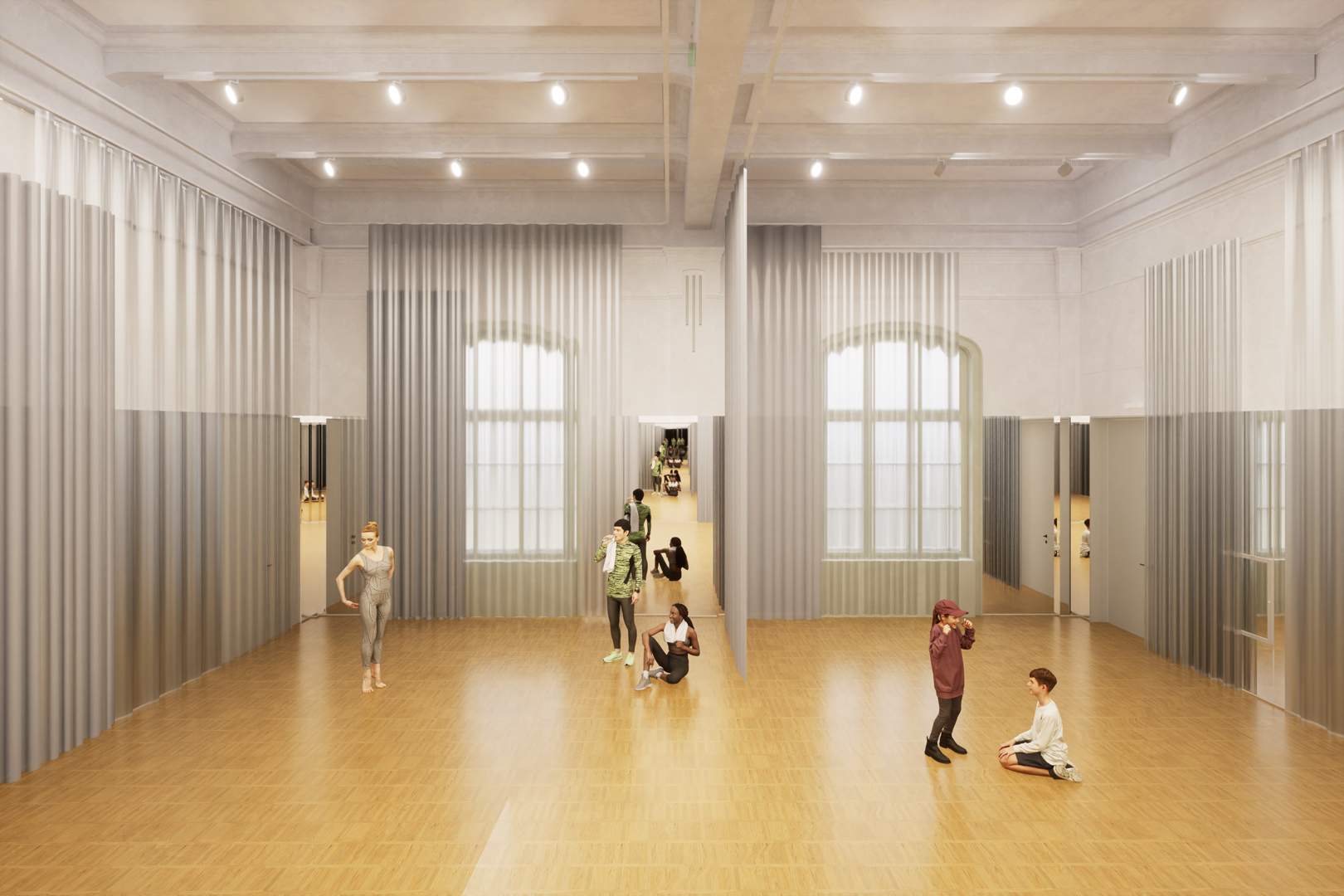
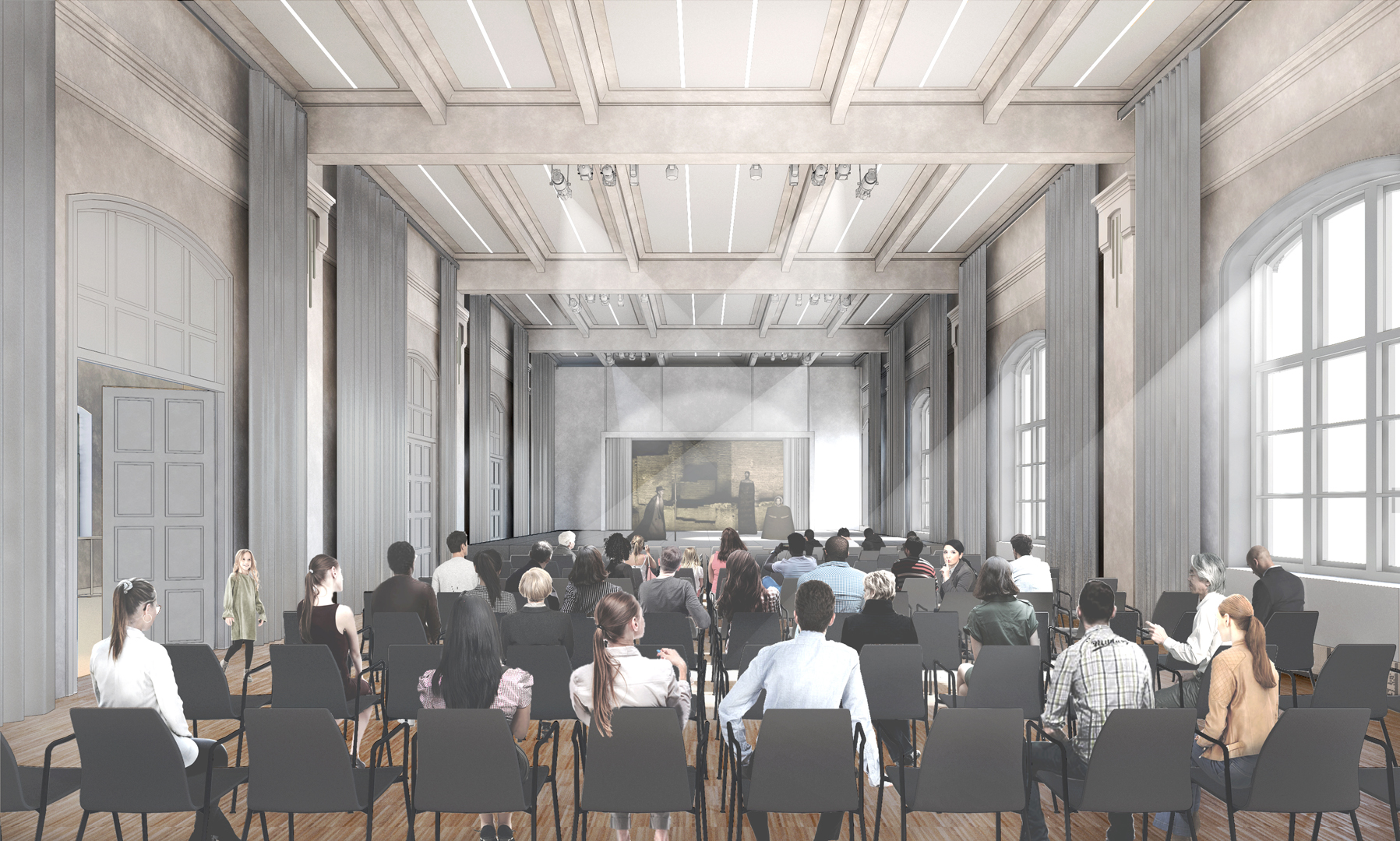
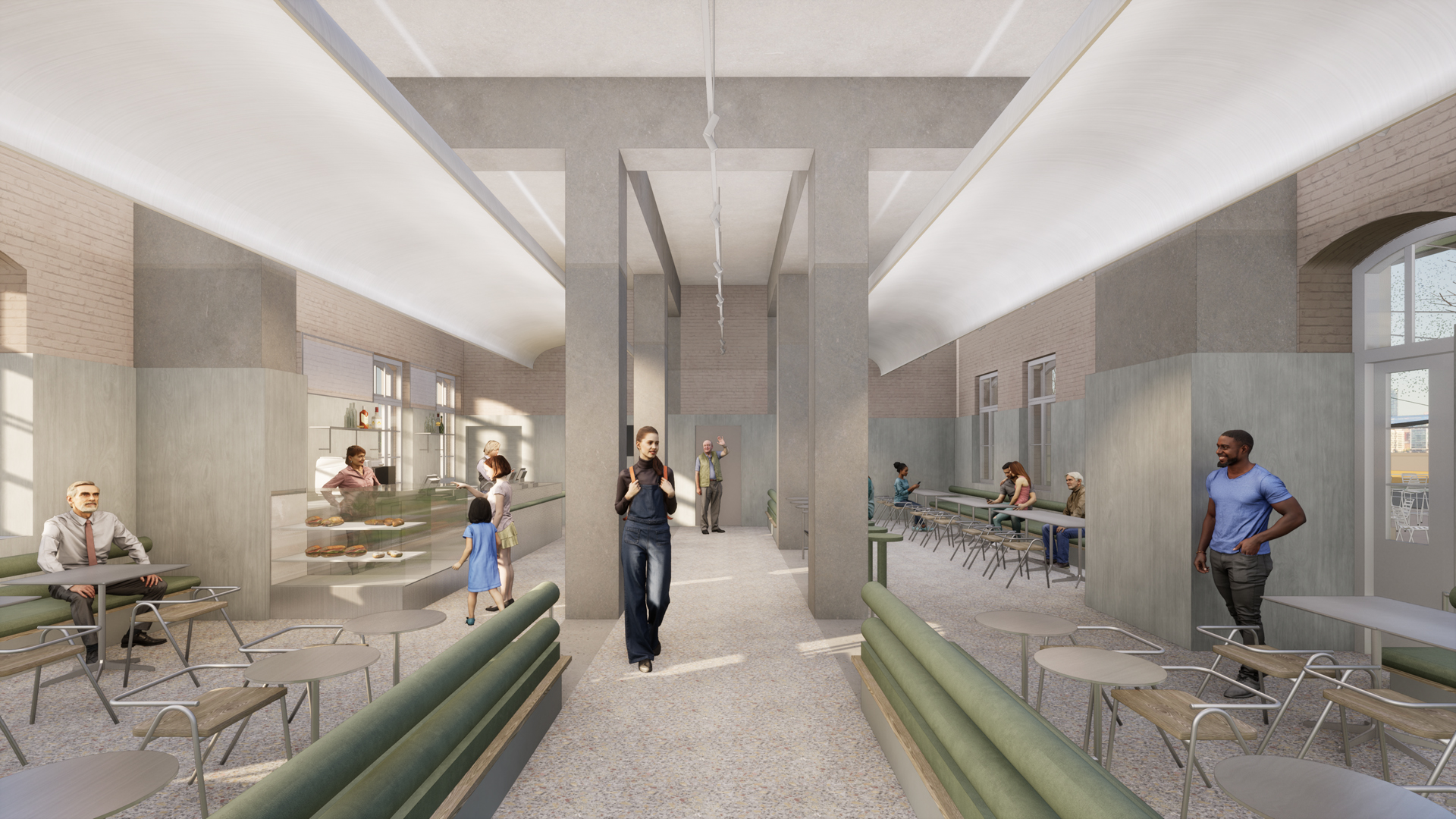
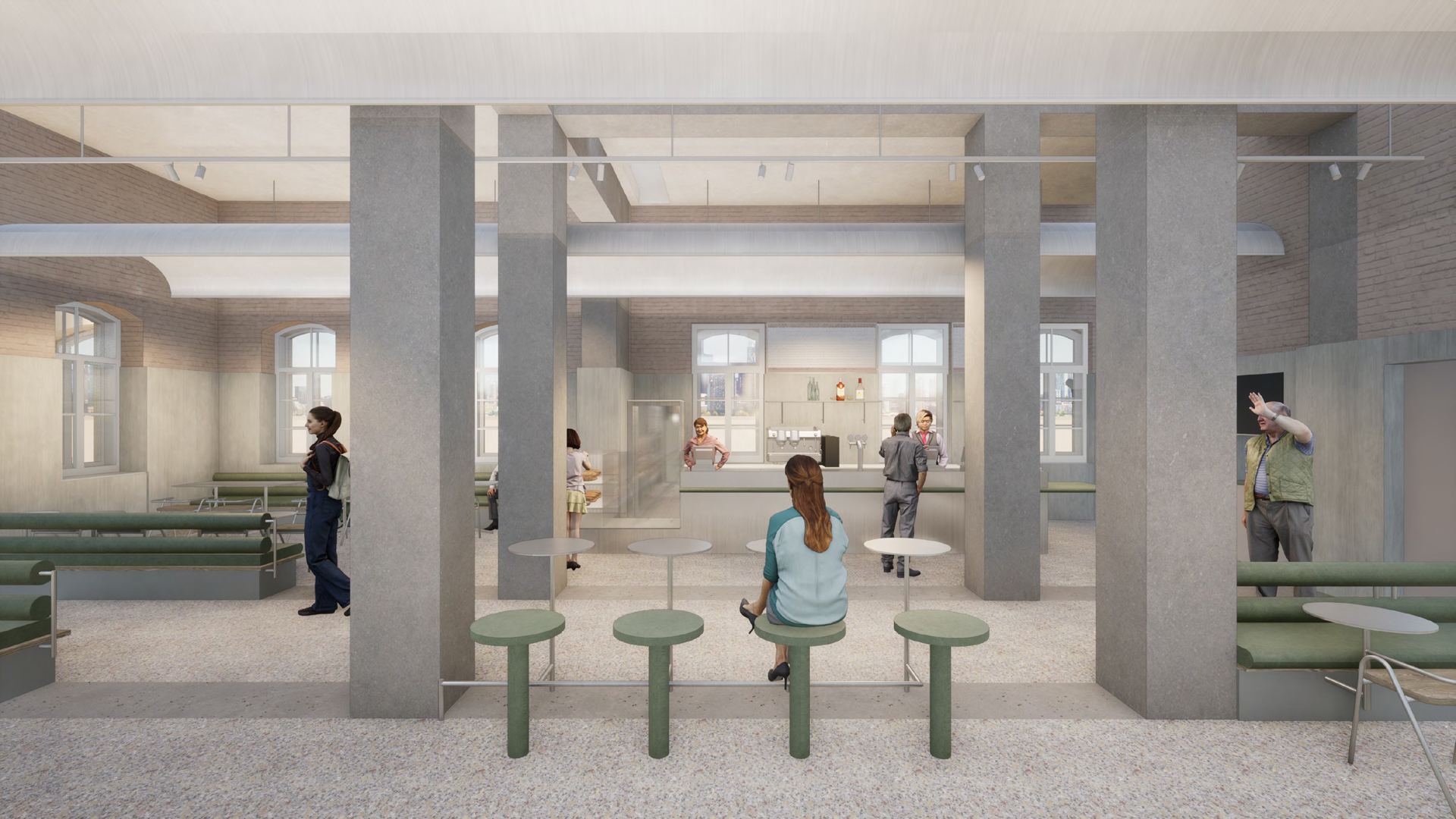
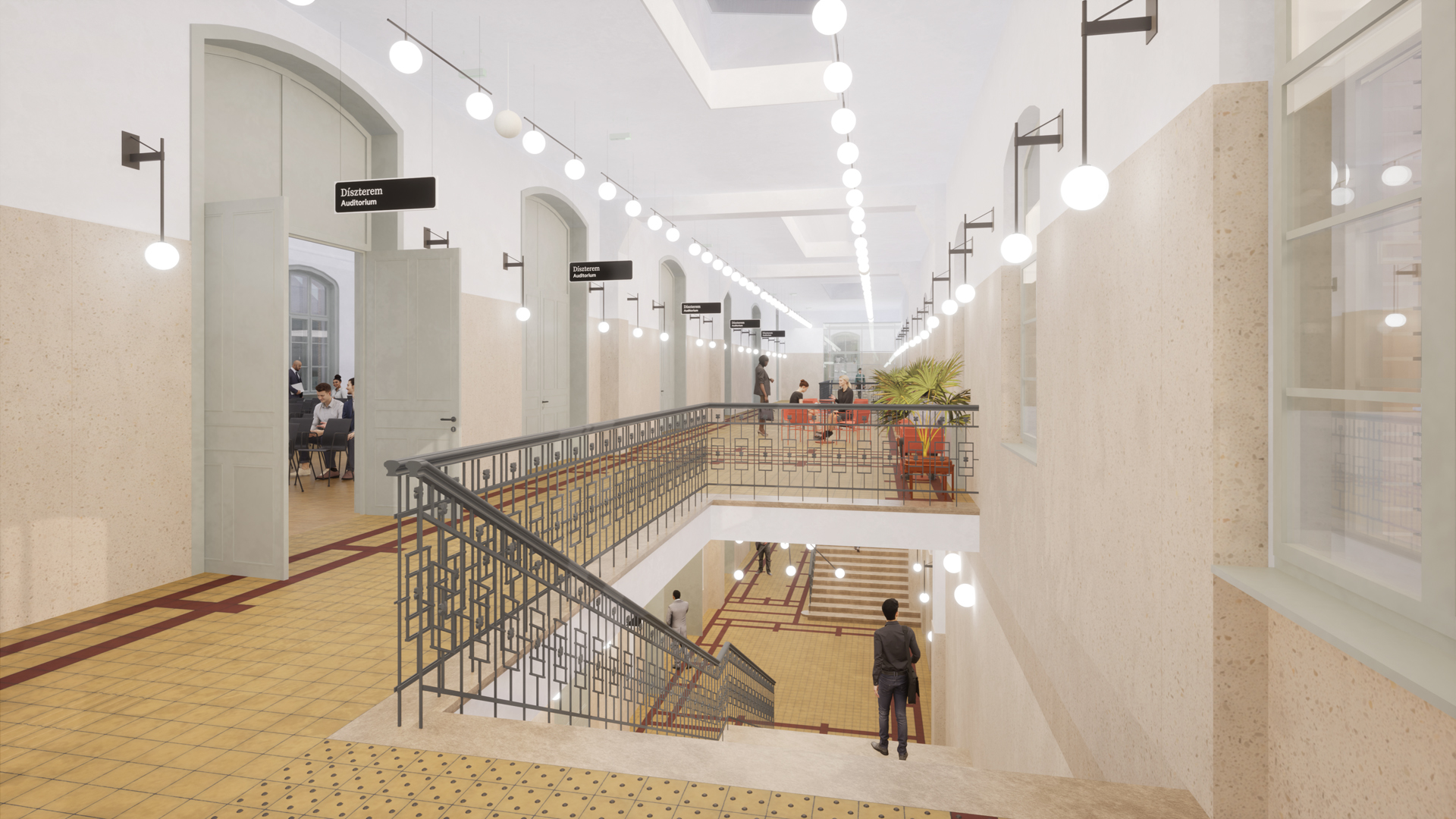
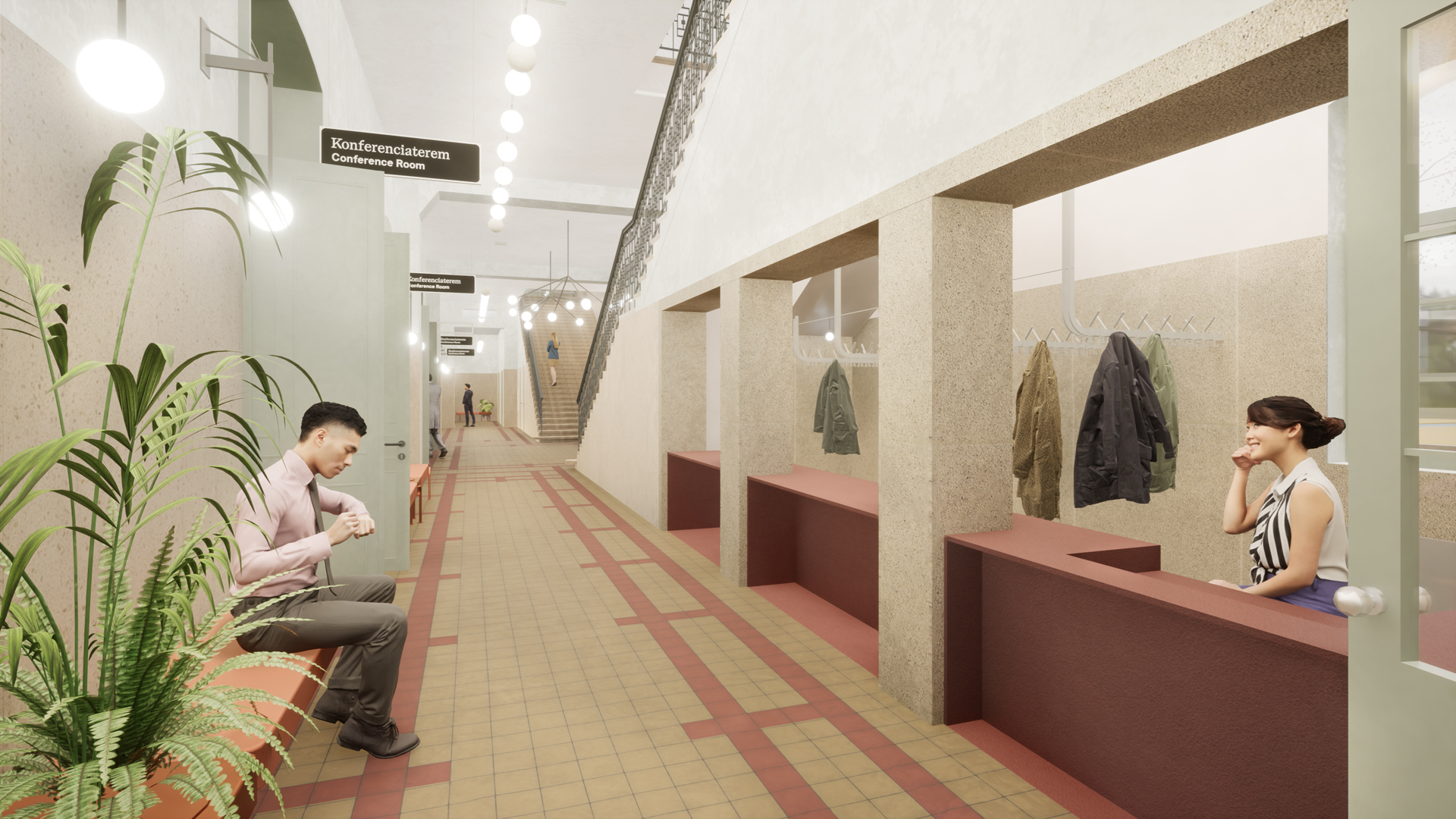
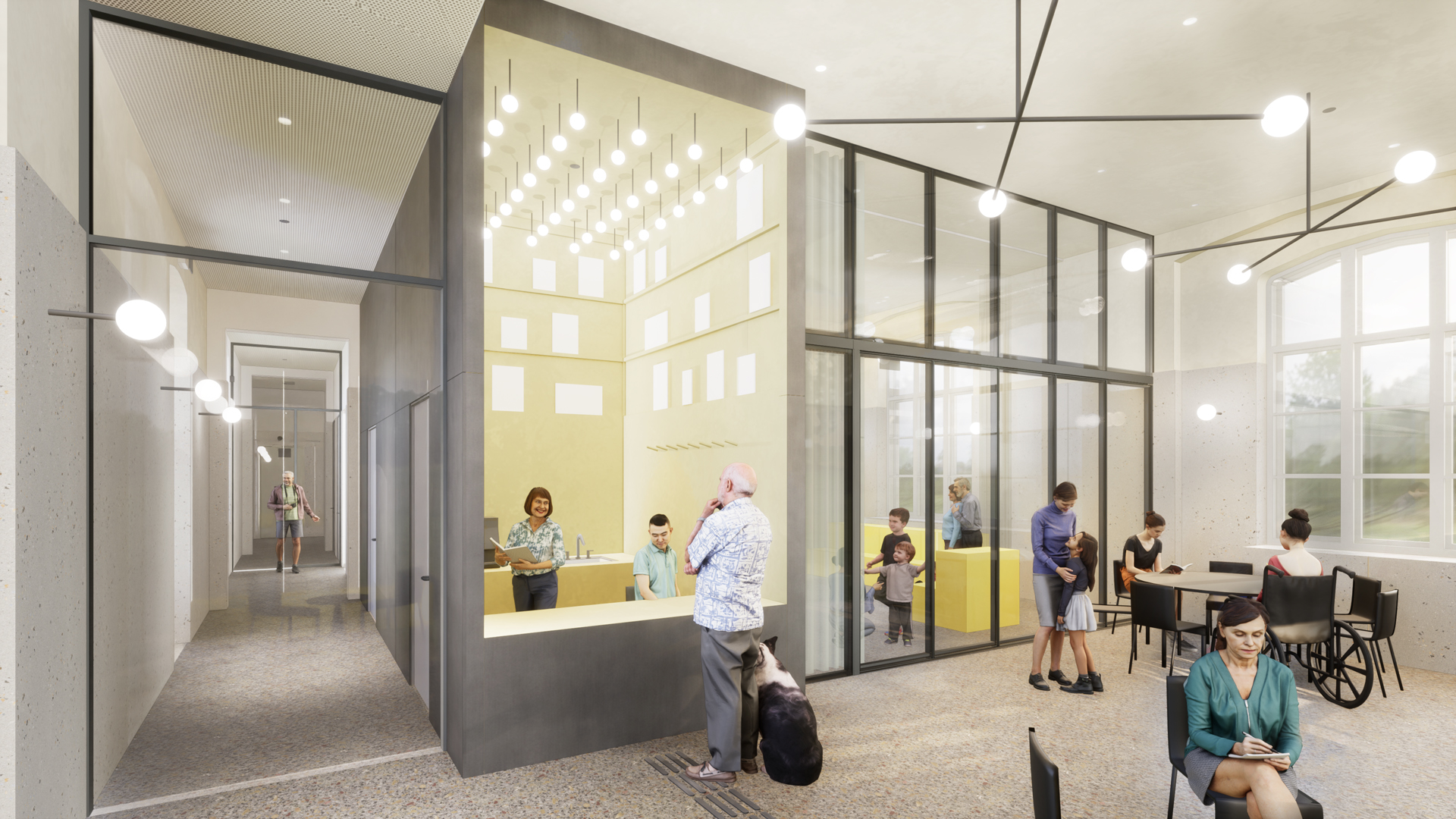
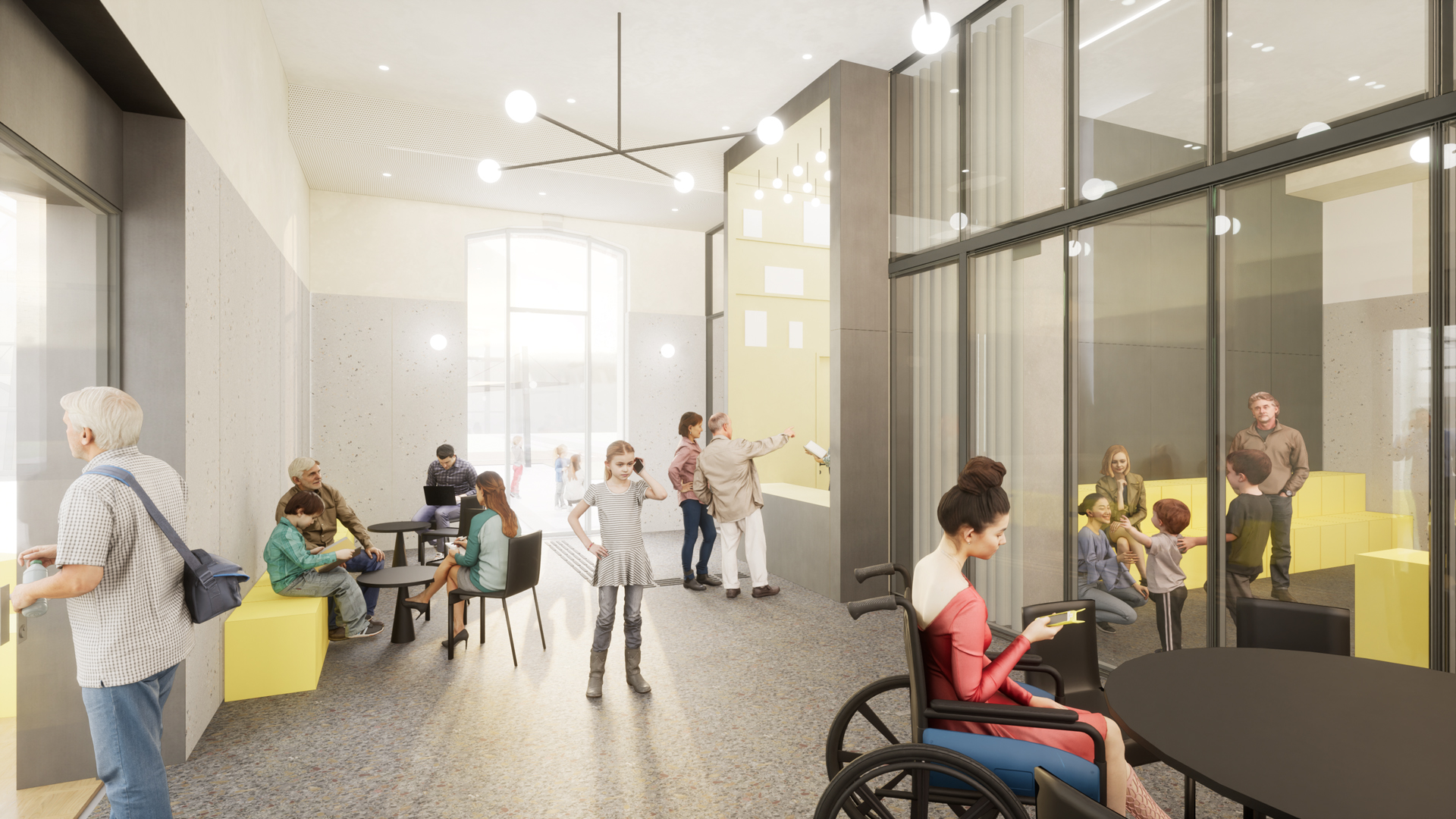
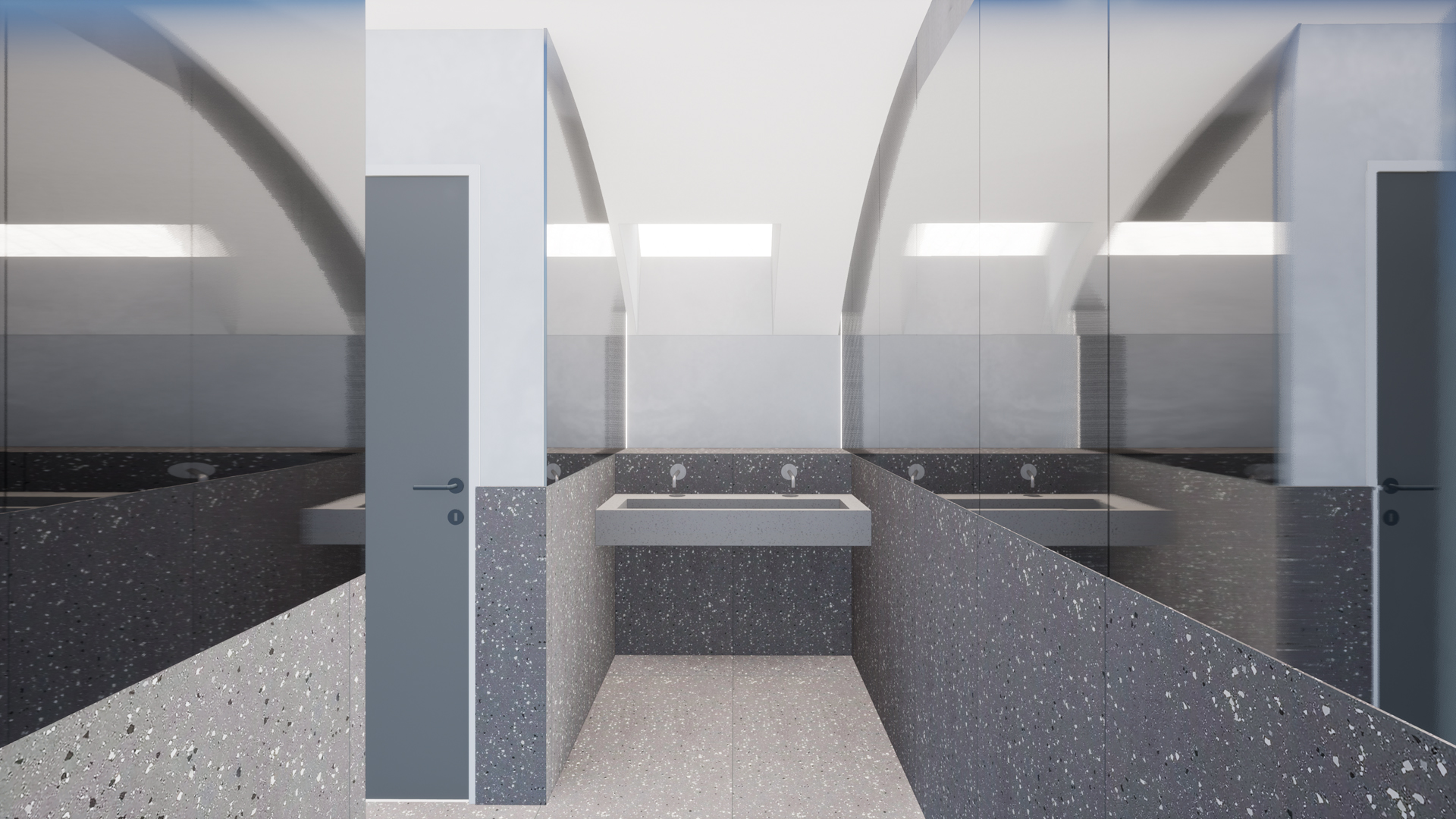
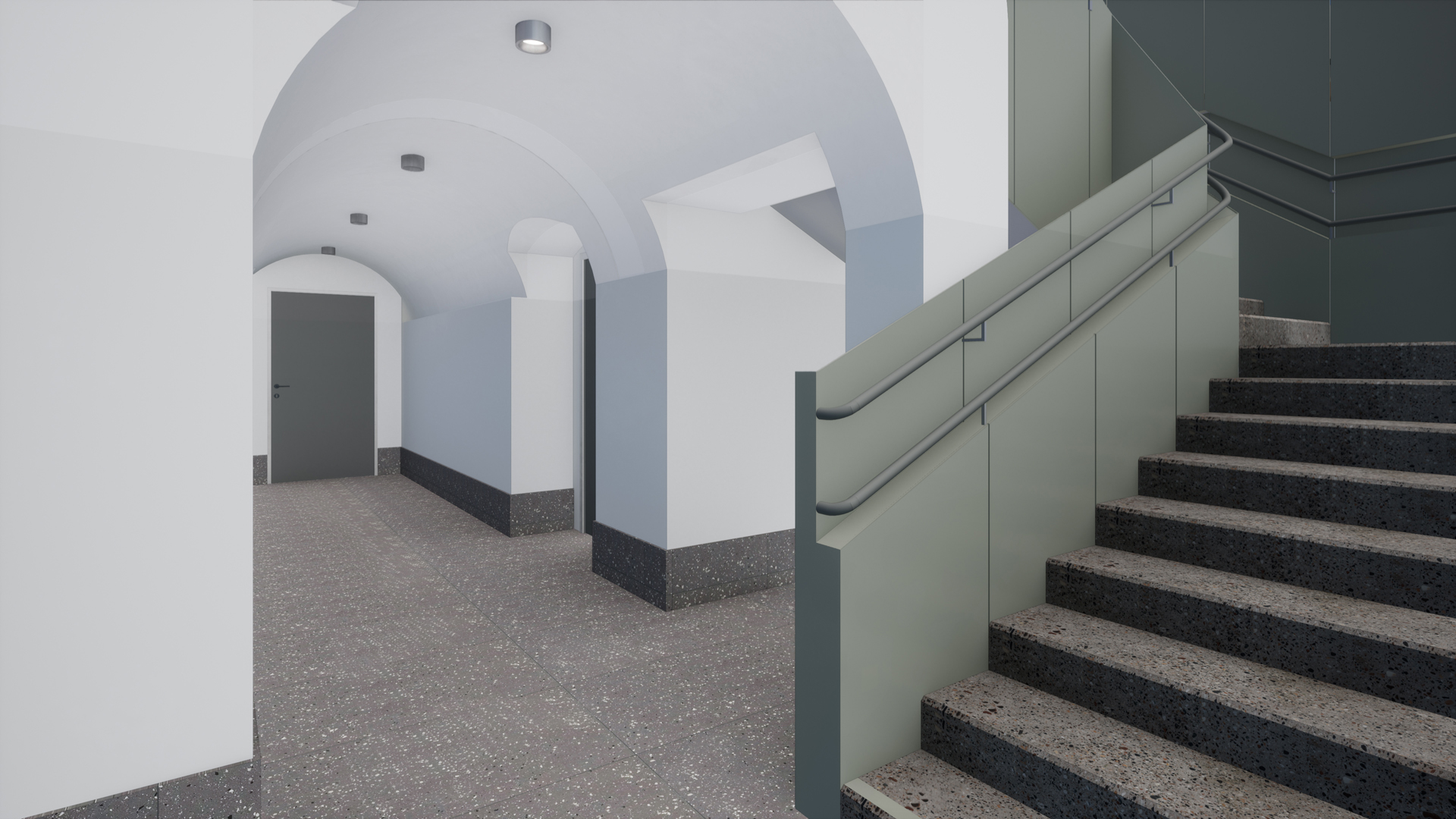
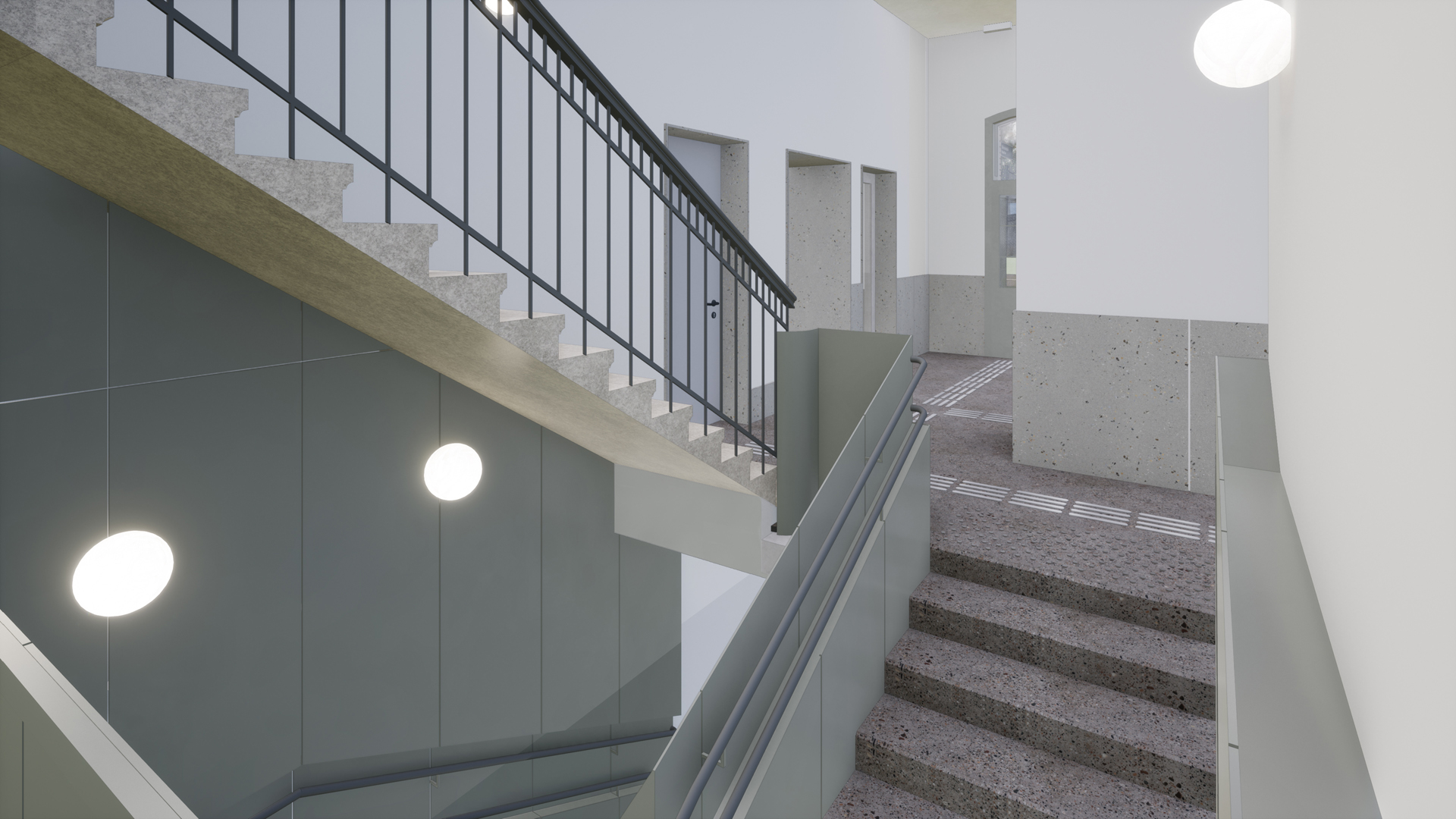
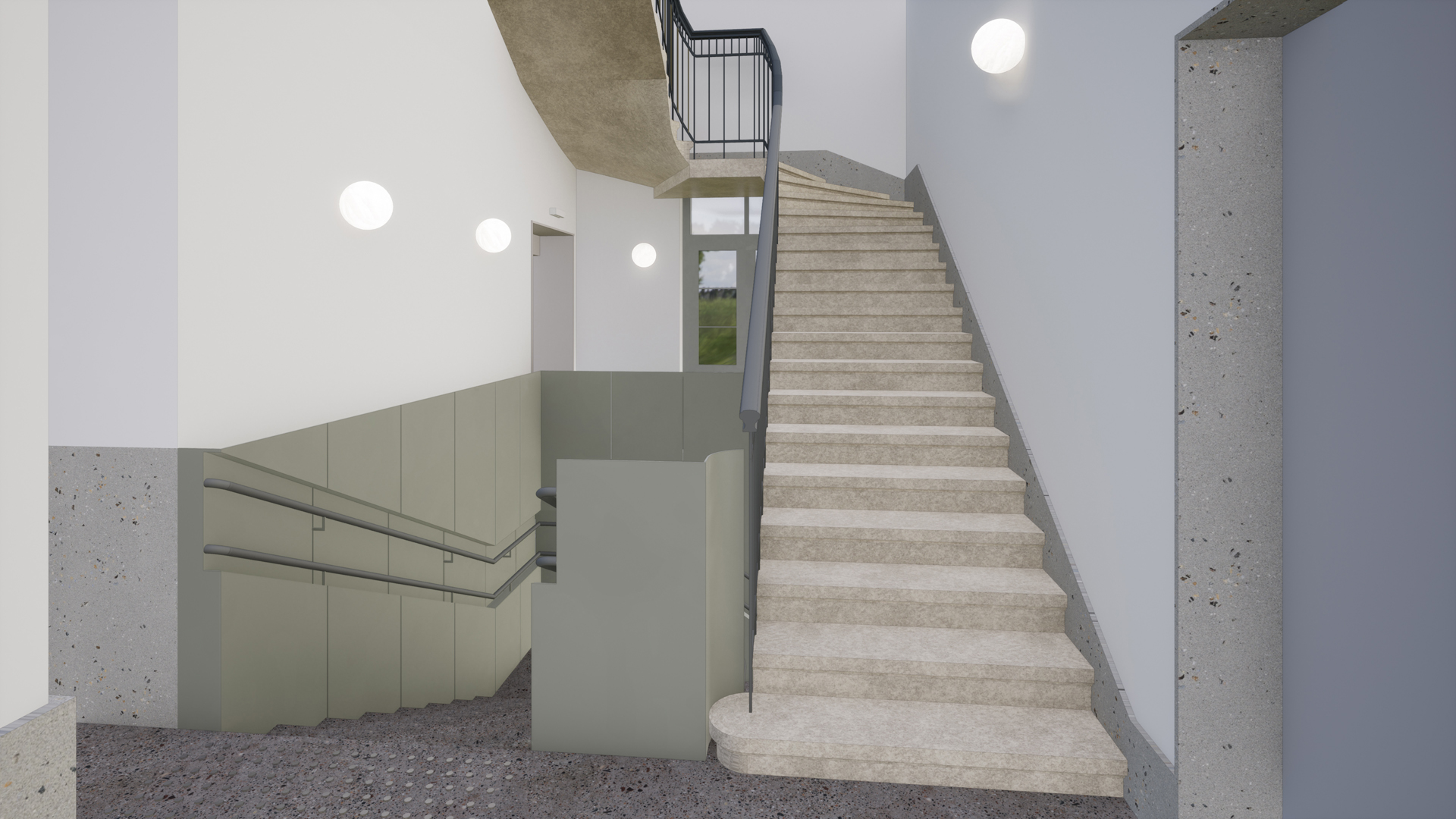
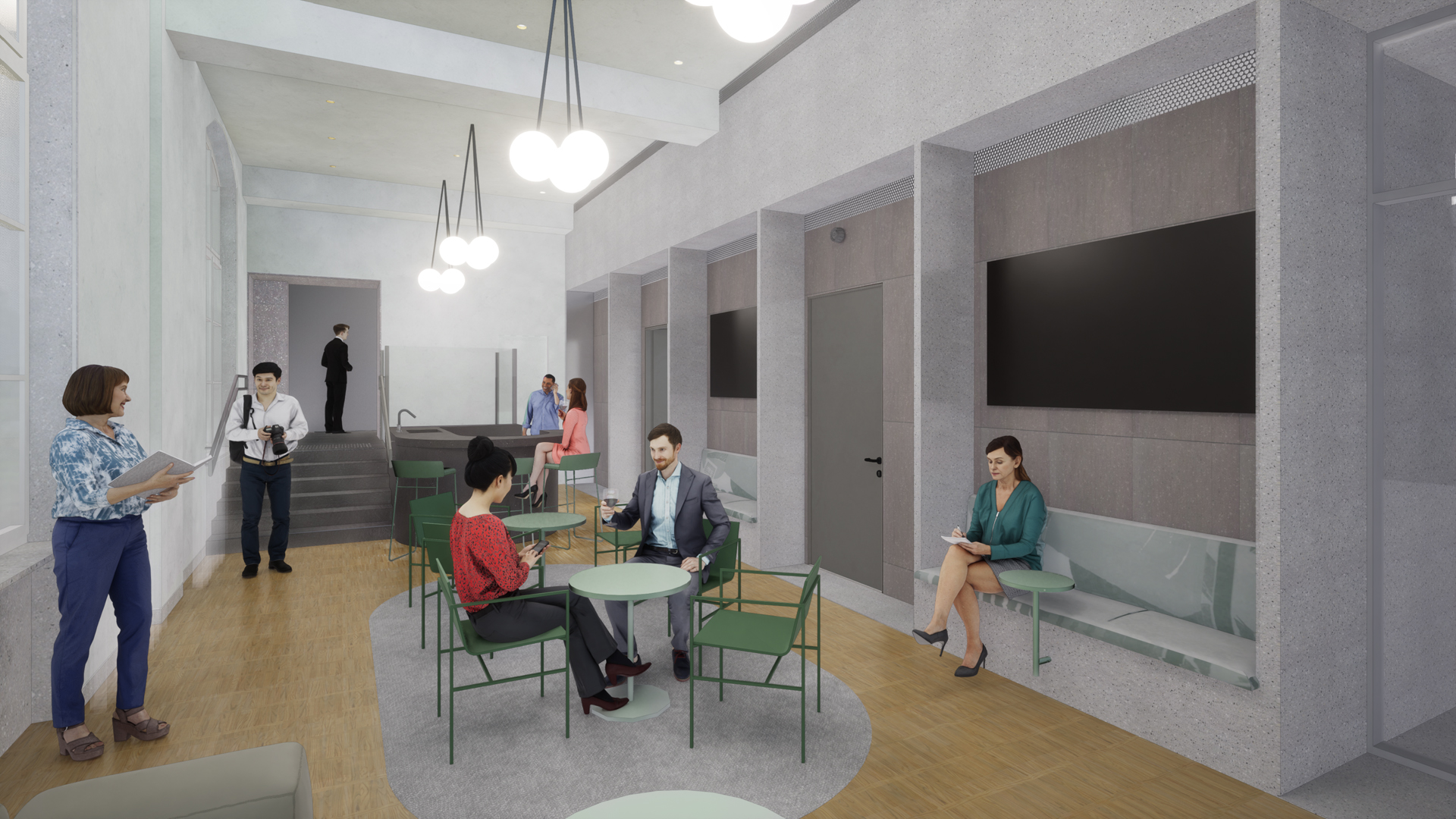
After a very careful analysis of the historical building and the future ambitions of the cultural centre, precise but dynamic renovation plans were drafted with a possible execution in several phases. The renovations aim to strengthen the identity of each of the three subsections of the building and include the restoration of several historical rooms, renewal of entrances towards the plaza, multipurpose spaces, installation of new restrooms and the renovation of community spaces.
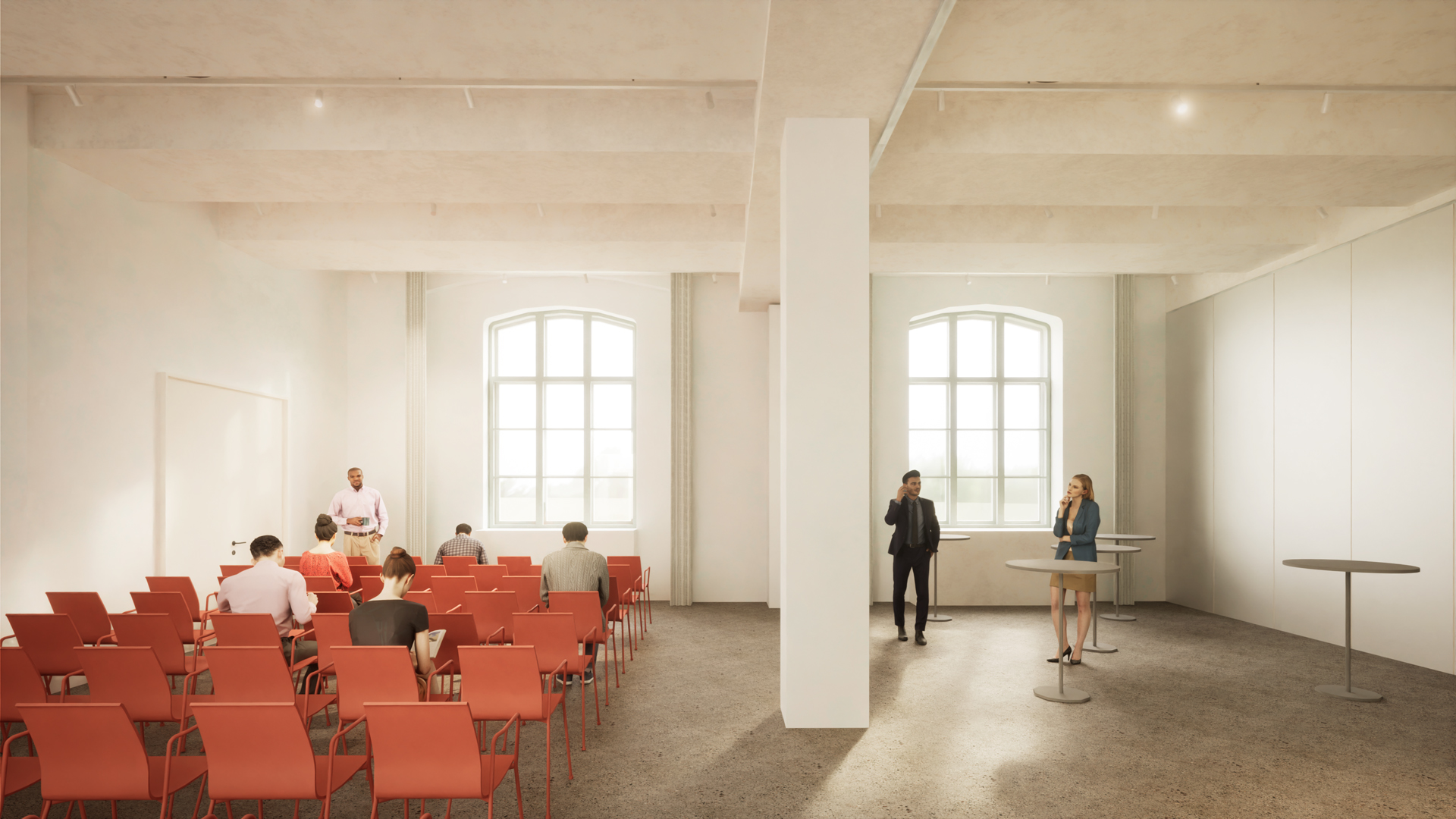
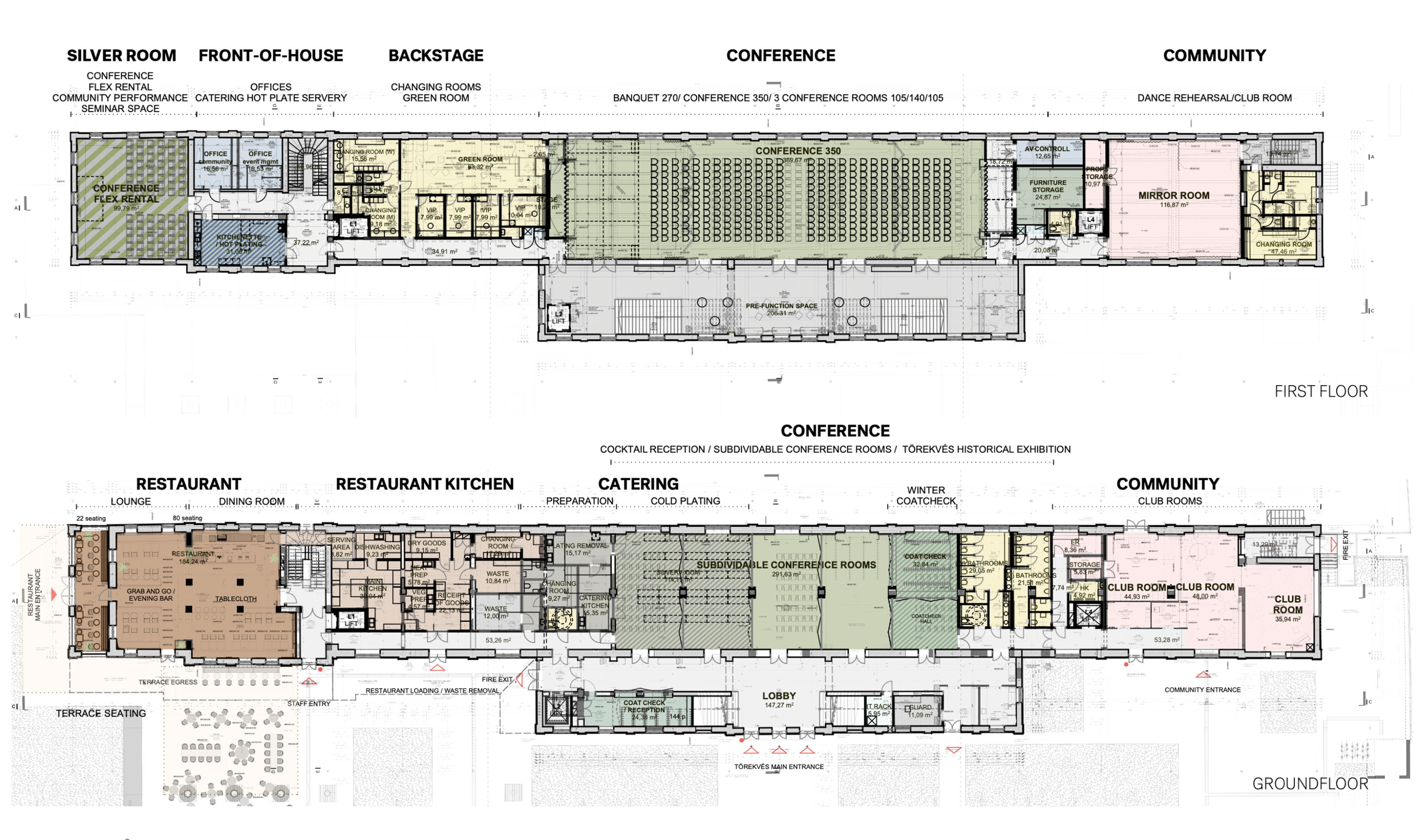
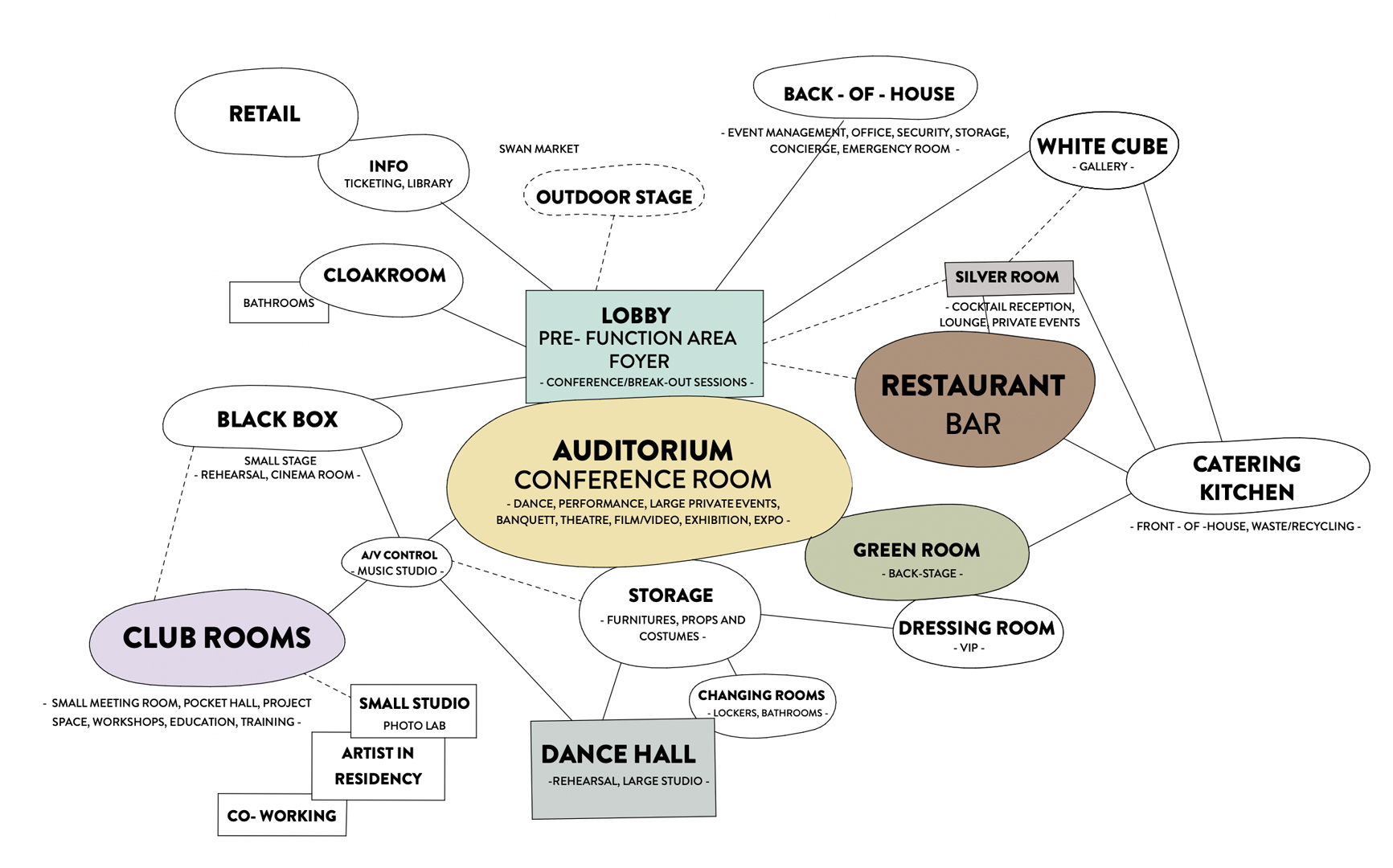
As a cultural actor my focus lied at advocacy planning of the cultural hub as the longest-operating community centre in town, fostering an autonomous management model within the grand scheme of the revitalization project. The adaptive flexibility has been a legacy of the building as a laissez-faire entity hosting a wide assortment of clubs, events and communities. We developed a hybrid business model of rental venues outlining three autonomous subsections: the suite of community club rooms, the restaurant-catering, and the conference facilities. This delineation of different zones within the building provides operational clarity and makes it easier to manage functions without compromising the flexibility of the spaces